Learn about the Vital Services Offered by a Professional Arborist for Maintaining Healthy Trees
A professional arborist offers a range of services crucial for maintaining healthy trees and improving landscapes. Their expertise in tree pruning encourages growth and reduces risks. They also assess and handle tree diseases, ensuring tailored treatment plans are implemented - Florence Arborist. Additionally, arborists handle safe tree removals and aid in planting and transplanting. Their role is even more vital during emergencies such as storm damage. Being aware of these services can significantly affect one’s approach to tree care
The Value of Tree Pruning
Although many homeowners often neglect the need for tree pruning, it serves a vital function in preserving the health and aesthetics of trees. Proper pruning assists trees in building a robust structure, removing dead or diseased branches that could create hazards. By selectively trimming branches, the tree can concentrate its resources on healthy growth, promoting better air circulation and sunlight penetration. Additionally, pruning can improve the look of the tree, shaping it for aesthetic appeal in residential landscapes.
Moreover, regular pruning can avoid possible dangers, such as limbs falling during storms or high winds, which could harm property or cause personal injury. It also assists in avoiding of pest outbreaks and diseases by enhancing the tree's hardiness. Ultimately, retaining expert arborist services for tree pruning ensures trees stay healthy, safe, and attractive, contributing considerably to the overall beauty and value of the property.
Identifying and Treating Tree Diseases
Tree health can be considerably affected by various diseases that may not always be instantly obvious. A professional arborist serves a vital function in detecting these problems soon, utilizing a combination of visual inspections and testing equipment. Symptoms such as unusual leaf coloration, wilting, or irregular growth shapes often indicate hidden health problems. Arborists evaluate these signs to determine exact ailments, whether fungal, bacterial, or viral in nature.
Following the diagnosis, the tree specialist creates a specific treatment strategy. Such a strategy might incorporate targeted treatments, such as chemical controls, and maintenance techniques that improve the tree's strength. In addition, adequate irrigation, mulching, and feeding can significantly boost the vitality of the tree and defense against pathogens. Regular monitoring and subsequent care are essential for effective management, guaranteeing the lifespan and vigor of the trees. By addressing tree diseases proactively, professionals preserve the environmental value and aesthetic appeal of thriving trees.
Secure Methods for Tree Extraction
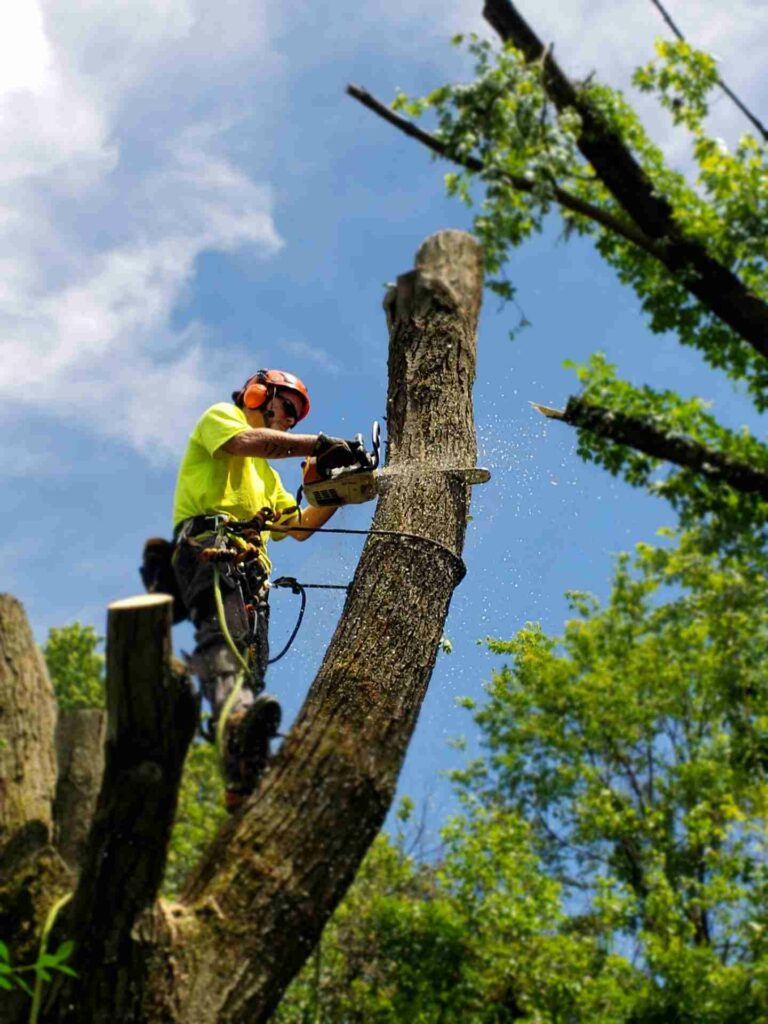
Safe tree extraction techniques are necessary to ensure the safety of the crew and limiting harm to adjacent areas. Professional arborists employ a comprehensive evaluation of the state of the tree, its location, and the surrounding environment prior to starting the extraction. Arborists use specific tools, such as rigging equipment and chainsaws, to make clean incisions and maintain control while cutting down the tree.
A carefully designed extraction plan requires recognizing risks, such as nearby buildings or utility lines, which can impact the safety of the operation. Professionals commonly utilize the process called "sectional dismantling," in which the tree is removed in manageable pieces, reducing the risk of falling debris.
In addition, they follow local regulations and guidelines to ensure adherence and responsible environmental care. Once the tree is down, thorough clearing and removal of the tree debris, including stump grinding, contribute to the overall safety and visual appeal of the area.
Planting and Transplanting Trees
Installing and relocating trees requires careful consideration of site selection and installation methods to guarantee long-term health and growth. An appropriate setting greatly affects a tree's development, and correct installation techniques minimize stress and aid in successful rooting. Professionals stress these considerations as essential for enhancing the strength and endurance of trees in all environments.
Choosing the Right Location
Finding the perfect spot for relocating or establishing trees is essential for their sustained health and success. Considerations including soil quality, the amount of sun, and drainage must be carefully evaluated. Trained tree experts examine the specific site conditions, making sure that the chosen spot provides adequate nutrients and stability for the specific tree type. In addition, the nearness to established constructions and neighboring vegetation is essential to stop the fight for nutrients and avoid potential damage. Tree specialists also factor in the tree’s maximum height and width and root structure, ensuring sufficient space for growth. By conducting a thorough site analysis, arborists enable clients choose wisely that foster robust, flourishing trees, ultimately enhancing the landscape’s visual appeal and natural benefits.
Ideal Planting Techniques
Once the site has been carefully assessed and selected, the following action is using optimal methods for planting trees. Meticulous digging of the hole is essential; it should be two times wider than the root mass and no deeper than the root system itself. The tree should be placed in the hole so that the upper surface of the roots aligns with the surrounding soil. Backfill with native soil, making sure to eliminate air gaps, and soak the area well to help the roots settle in initially. Applying mulch at the bottom assists in keeping water in and keep weeds down. Florence Arborist. If moving mature plants, it’s important to minimize root disturbance and relocate the plant in its resting phase for the greatest likelihood of thriving. Following these techniques fosters healthy growth and longevity
Handling Tree Emergencies After Storms
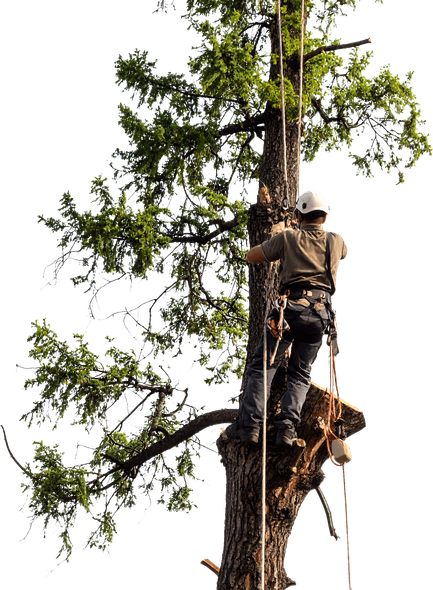
When major tempests hit, the resultant conditions may leave trees in dangerous states, creating threats to buildings and people. Certified tree experts are crucial in immediate action, assessing trees harmed by the storm to check how safe and healthy they are. With their skill, they can discern which trees can be salvaged and which are serious, instant risks that require extraction.
Equipped with specialized tools, arborists can safely prune broken branches and haul away refuse, preventing subsequent injury to surrounding areas. They also provide valuable advice on precautionary steps, such as picking durable tree varieties for upcoming installations.
Beyond just quick action, arborists help homeowners understand the potential long-term effects of storm damage, offering guidance on recovery and rehabilitation. Through quick and effective action, certified tree experts safeguard assets but also aid in the recovery of the local environment once the tempest has passed.
Nutritional Support and Earth Maintenance
Subsequent to storm damage, the priority becomes the well-being of the trees that remain, highlighting the significance of nutrient assistance and ground care. A certified tree specialist assesses ground quality and tree health to figure out precise nutrient requirements. Trees must have key nourishment, such as nitrogen, phosphorus, and potassium, to bounce back and flourish after stress events.
Ground care plays an essential role in nutrient availability and the growth of roots. Tree specialists often suggest soil amendments, like organic matter, to enhance soil structure and microbial activity. The correct pH balance are also checked, as they influence nutrient uptake.
Using mulching methods can help the soil hold water and prevent weed growth, making a suitable condition for trees to heal. Through the creation of a comprehensive nutrient strategy and using smart soil maintenance methods, arborists ensure trees regain strength, resilience, and overall health, which is critical for keeping the environment stable after ecological disruptions.
Questions and Answers
What is the Recommended Inspection Frequency?
Trees should ideally be inspected once a year for optimal condition. However, more regular inspections may be discover the information necessary for younger trees, after severe weather events, or if any signs of distress or disease are observed.
What Qualifications Should I Look for in an Arborist?
When hiring a tree specialist, one should look for credentials such as ISA (the ISA) accreditation, proven track record, proper liability insurance, and a strong reputation locally, guaranteeing skill in tree care and safety practices.
Do Arborists Utilize Special Equipment for Tree Care?
Arborists use a range of unique equipment for tree care, like chainsaws, pruning shears, climbing gear, and stump grinders. Each tool serves a specific purpose, ensuring effective maintenance, pruning, and tree extraction while promoting overall health and safety.
How Do Weather Conditions Affect Tree Health?
Weather conditions greatly impact tree health; heavy rainfall may result in root rot, while drought stresses trees. Extreme temperatures can damage leaves and branches, consequently impacting development, sturdiness, and general health of the trees.
Should I handle my own tree maintenance, or Do I need to call in a specialist?
Although certain simple tree maintenance jobs can be done by people themselves, it's often wise to employ a professional - Florence Arborist. Specialists are equipped with unique expertise and gear, to make sure the trees receive the proper care necessary for optimal development and health